
The Yang Li Case: Medical Access After Detention
A land-rights defender’s reported kidney-treatment crisis raises urgent questions about health, movement restrictions, retaliation and preservation of medical evidence.
1. The news facts: what has happened
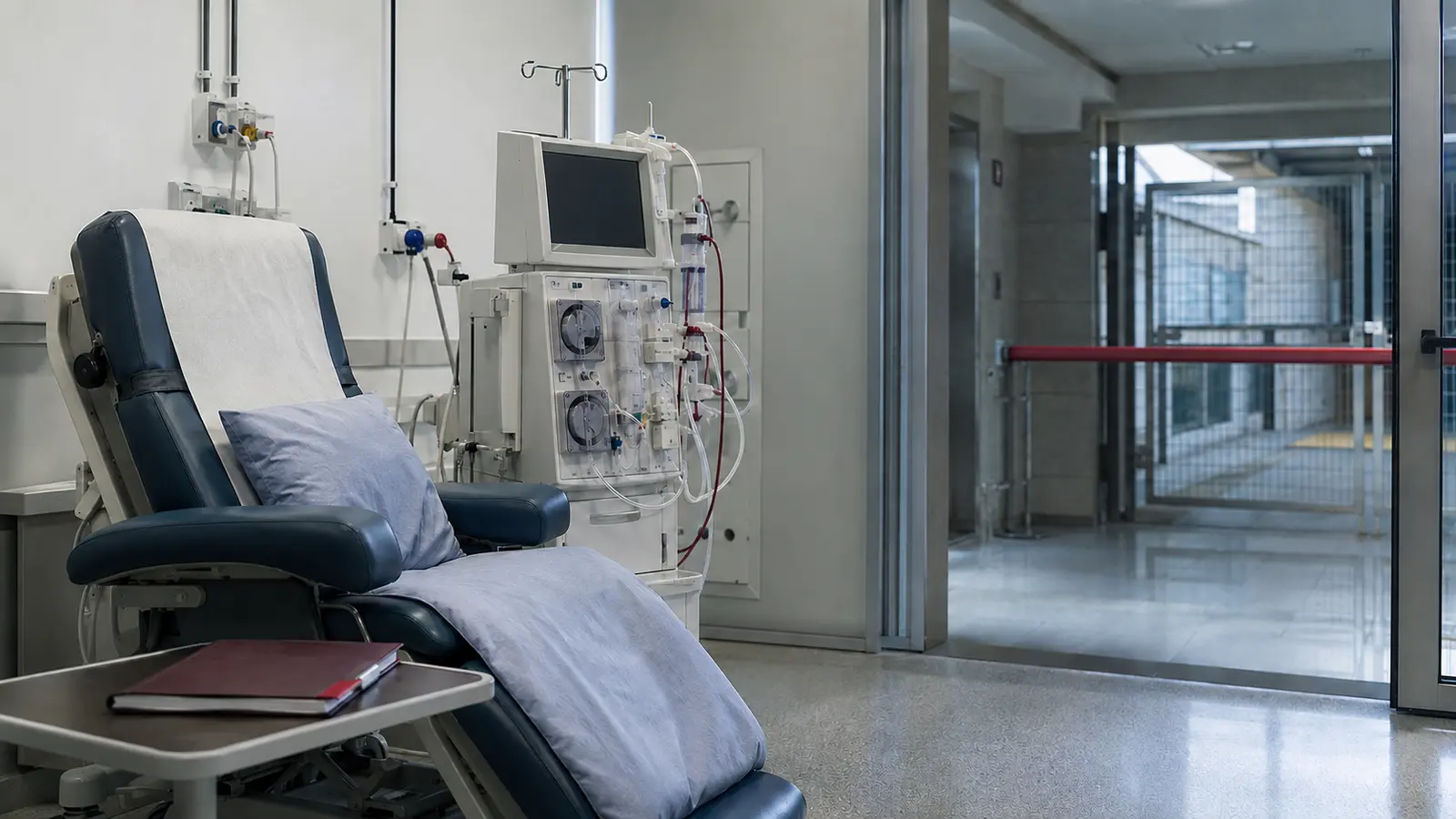
This article examines the denial or obstruction of urgent medical treatment for land-rights defender Yang Li following detention. Amnesty International reported that Yang Li, a 46-year-old land-rights defender from Jiangsu, spent 15 months in detention between October 2024 and December 2025. Her family said her kidney disease deteriorated to end-stage failure. After release, police reportedly obstructed repeated attempts to travel to Beijing for dialysis and specialist treatment. UN experts called for immediate access to adequate care in February 2026.
The principal chronology is as follows. The sequence includes Yang’s land-rights advocacy, detention in October 2024, reported denial of care in custody, release in December 2025, repeated interrupted journeys to Beijing in January 2026, a February hospitalisation notice and her reported forced return to Jiangsu.
Public reports must be read according to their actual scope. A questionnaire records the experiences of respondents; an official statistic describes the scale of a state process; and a case statement records the position of a particular person or organisation. None automatically proves every wider allegation, but repeated and consistent accounts create a serious duty to investigate.
Important facts remain unresolved: Yang’s current condition, whether dialysis or other treatment began, the reason the February admission did not proceed, the legal basis for each interception and the full official response to the UN experts. These gaps should not be filled by speculation. Where state agencies hold the relevant decisions, detention logs, medical records or surveillance material, meaningful accountability requires that the information be made available for independent scrutiny.
2. The issues that deserve attention
The first issue is the boundary of public power. The relevant standards include the right to health, freedom of movement, protection from cruel or degrading treatment, medical independence, non-discrimination and the duty to protect human-rights defenders from retaliation. The question is not whether a state may regulate conduct, investigate crime or protect public safety. It is whether the power is clearly defined, directed at a demonstrable risk, independently reviewable and accompanied by an effective remedy.
The second issue is timing. Access to a lawyer, family notification, independent healthcare, a written decision and a safe complaint process matter most at the beginning of state intervention. Safeguards introduced only after a confession, injury, prolonged disappearance or medical deterioration cannot fully repair the original harm.
The third issue is control of the evidence. Relevant materials include kidney-function tests, imaging, prescriptions, dialysis recommendations, hospital notices, custody medical records, transport and interception records, police decisions, telephone seizures, witness accounts and an independent nephrologist’s opinion. When the same authority accused of wrongdoing also controls the underlying records, a bare denial is insufficient. Privacy can be protected while still allowing an independent court, inspector or medical expert to examine the evidence.
The fourth issue is unequal exposure to harm. critically ill people are particularly vulnerable to delay, while defenders under surveillance may be unable to choose a hospital, travel freely, communicate with doctors or preserve records. Family members may also be pressured when they assist with treatment.. A formally neutral rule can therefore have a much more severe effect on people who lack legal representation, medical resilience, financial resources or a safe family network.
The fifth issue is the distance between law on paper and protection in practice. Rights written in legislation have limited value if complaints trigger retaliation, courts do not examine the substantive reason for restrictions, lawyers cannot act independently, and officials are not held accountable after credible allegations.
3. Wider discussion: why the case matters beyond one person
These events can produce a chilling effect far beyond the number of people formally detained or convicted. Communities watch which conduct attracts official attention, whether relatives are punished, whether legal representation is possible and whether public appeals lead to further pressure. The result may be self-censorship, withdrawal from professional work, abandonment of worship or cultural activity, and reduced contact with people overseas.
A chilling effect is difficult to capture in a single statistic, but it changes the social environment. National security and administrative management cease to be exceptional interventions and become forces shaping ordinary choices. People alter where they travel, whom they meet, what they publish and whether they seek medical or legal help.
A fair analysis must also consider the principal alternative explanation. Authorities may say adequate treatment was available in Jiangsu or that travel restrictions reflected administrative or security concerns. Such an explanation must address clinical urgency, the patient’s need for trusted specialist care, the legal basis for interception and why less restrictive arrangements were not used.
Proportionality is central. Even when a government pursues a legitimate aim, the chosen measure must be necessary, targeted and no more harmful than required. Indefinite surveillance, pressure on relatives, obstruction of urgent healthcare or punishment of peaceful advocacy cannot be justified merely by invoking security or administrative convenience in general terms.
The material also has a professional legal use. The case illustrates how health risk and political visibility can interact. Medical experts should distinguish disease progression from the additional danger caused by delayed or interrupted treatment, while asylum and human-rights decision-makers should examine whether similar restrictions are likely to recur.
Foreign governments have responsibilities of their own. Police cooperation, extradition, asylum, university security, platform governance and consular processes can all become points at which cross-border pressure is enabled or resisted. Requests from foreign authorities should receive an effective human-rights review rather than being accepted because they appear formally regular.
Businesses, universities, religious bodies and professional organisations should protect member data, provide a safe channel for reporting interference and preserve relevant records. Institutional neutrality does not require ignoring credible threats; silence can transfer the cost of geopolitical or commercial caution to individuals who are least able to protect themselves.
The deeper issue is public confidence in law. A legal system commands authority not only because it can punish, but because decisions can be understood, challenged and corrected. When concepts continually expand, procedures remain closed and independent oversight cannot enter, formal legality may be experienced as political control rather than impartial justice.
4. CRM assessment and conclusion
CRM’s assessment is that the central concern is not an isolated administrative failure. The evidence concerning the denial or obstruction of urgent medical treatment for land-rights defender Yang Li following detention points to a risk that is continuing, institutional and capable of affecting several rights at the same time. The combined impact on liberty, health, family, profession, expression and life abroad cannot be understood by examining each measure in isolation.
A rights-respecting system must be measured by practical indicators: whether people can foresee the legal consequences of their conduct; obtain a lawyer and independent healthcare from the earliest stage; challenge the factual basis of a decision; protect their relatives from collective pressure; and regain ordinary life when a formal process ends. Without those conditions, procedure can appear lawful while producing substantive injustice.
The necessary safeguards are concrete: immediate access to independent specialist treatment, freedom to travel for care, complete medical records, protection for relatives and doctors, an end to unsupported interception and an investigation independent of the agencies accused of obstruction. They must be externally verifiable through published data, independent access, preserved records, protection for complainants and meaningful remedies when violations are established.
CRM rejects two equally damaging approaches: minimising credible human-rights risk for diplomatic or commercial convenience, and presenting an unverified allegation as a proven fact for political effect. The first abandons affected people; the second damages the credibility of evidence. Independent monitoring requires both disciplined attribution and a higher demand for disclosure from institutions that hold decisive information.
National security, public order and administrative efficiency are not unlimited reasons to displace human dignity. When peaceful speech, worship, cultural identity, legal representation, overseas advocacy or access to medical care can be penalised through broad political judgments, the damage extends beyond the immediate victim to society’s ability to resolve disagreement through law.
CRM will continue to compare official records, United Nations material, court decisions, professional investigations and verifiable case evidence on a common timeline. New judgments, official responses or independent evidence may change our assessment. On the present record, however, there are sufficient grounds to demand disclosure, an end to unnecessary restrictions, and effective access to lawyers, healthcare, complaint mechanisms and protection from retaliation.